


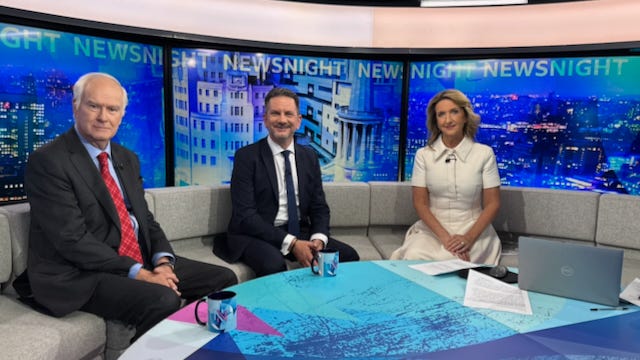
Rishi Sunak recently argued “Britishness must not be turned into a DNA test”, causing a ferocious row. I went on BBC Newsnight and argued for a strong defence, which I regard as peace-keeping: I was denounced as a warmonger… Where was the nuance? The tolerance? The prospect of serious progress on difficult issues?
I will get into those issues another time. This post is about five lessons I have learned since leaving parliament on how we can have better debate. Resisting excessive Covid restrictions brought me into contact with LSE behavioural science professor Paul Dolan, a leader in his field. We didn’t expect to get along, but we forged not only an alliance against government excess but a friendship and then a business, despite disagreeing across a wide field.
Here are five lessons I wish I had learned before I was first elected. I hope they help you make the case for liberty to ever greater effect.
1. The fundamental attribution error: disagreement does not mean foul motives
When we disagree, we don’t naturally try to see things from the other person’s point of view. We don’t typically ask whether they have information we don’t, or a different perspective on the facts. We don’t reflect on whether a different hierarchy of preferences for compromises and trade-offs might be legitimate. And so on.
Instead, we tend to explain the other person’s opinion through their character.
If we are good and intelligent and right and the other person is wrong, then perhaps they are stupid, wicked or corrupt. Our compromises were forced upon us; theirs were a choice driven by ignorance, cowardice or corruption. We have high motives; theirs are low. I saw this constantly in politics, especially on social media.
For better debate, understand that this is how people’s psychology works by default. Try to forestall their reaction by claiming the moral high ground and giving your evidence. And instead of imputing bad faith to others, ask what they know that you don’t, what pressures and incentives they face and what might lead a decent, honest person to their opinion.
2. Affect: combat the chemistry
We are emotional before we are rational. Our conduct is powerfully shaped by our emotions and how we relate our emotions to circumstances and opinions. Sometimes we need to take a deep breath.
