


There is a glaring contradiction at the heart of Britain’s migration debate. The same politicians who warn constantly about Islamic migration into Europe are often the most enthusiastic advocates of the military interventions that destabilise the Middle East. They want fewer boats arriving in Kent. But they also support the policies that create the people who end up on them.
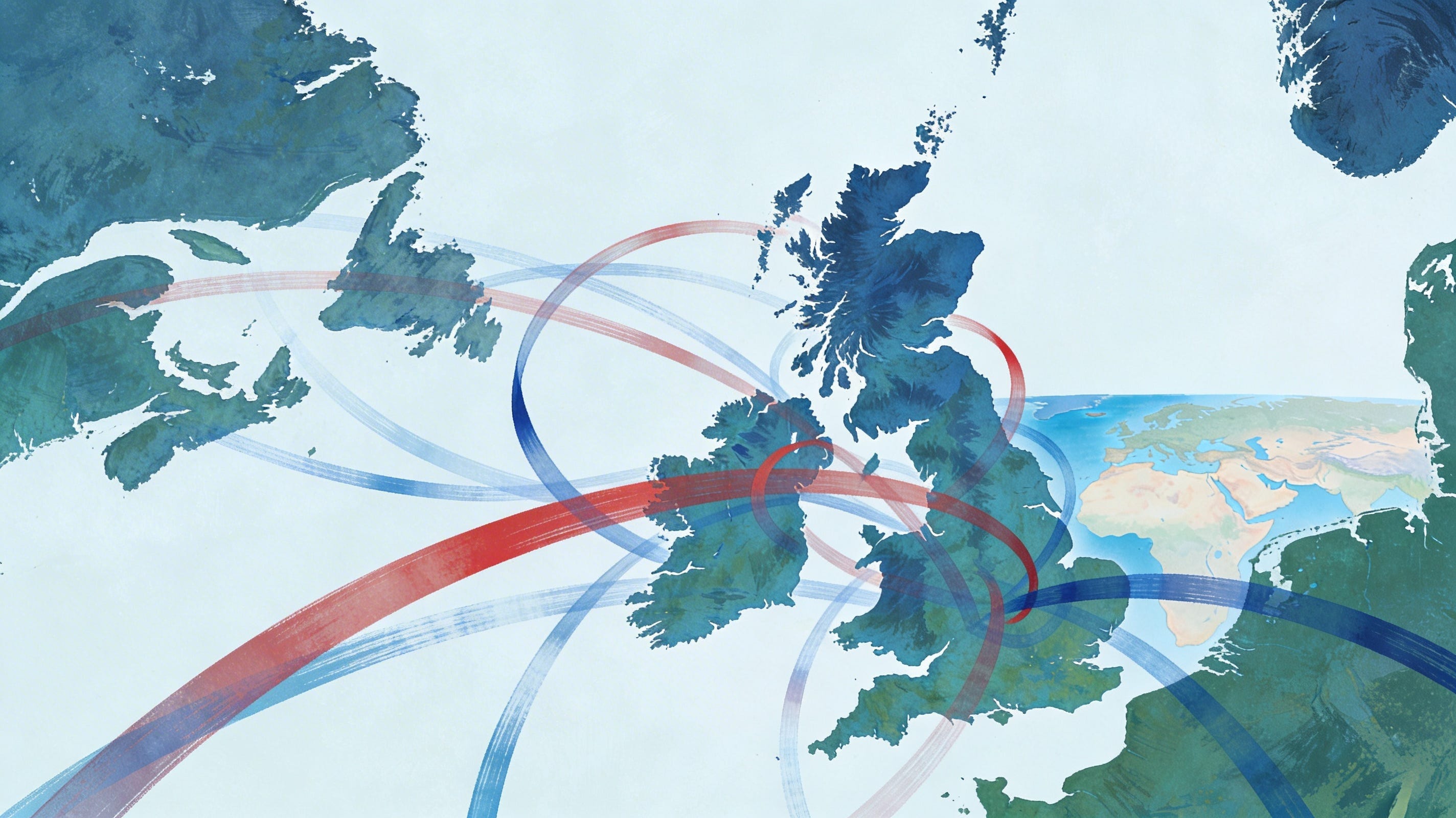
When large states collapse under the combined weight of war and external intervention, populations do not simply disappear. They move. And they tend to move in the direction of Europe.
The refugee crisis that now dominates European politics did not appear from nowhere. It followed years of wars, regime collapses and geopolitical chaos across Iraq, Afghanistan, Libya and Syria. According to the UNHCR Global Trends report, the number of forcibly displaced people worldwide reached over 110 million in 2023, driven largely by conflicts across the Middle East and North Africa.
Many of those displaced populations eventually made their way towards Europe’s borders during the migration crisis of the 2010s. In 2015 alone, more than 1.3 million migrants and refugees arrived in Europe, according to UNHCR data.
If the objective is genuinely to reduce Islamic migration flows into Europe, repeatedly destabilising major countries in the Arab world is an astonishing strategy. Yet this contradiction rarely surfaces in Britain’s political debate.

