


I saw Jimmy Carr gave an interview in which he covered AI. He warned about the capacity of AI to enable tyranny at collapsing cost, though more people are concerned about losing their jobs.
He is right: the threat from government is almost certainly greater than the threat from increased productivity. Without massively increased productivity or huge, perhaps untenable, cuts, the welfare state will default, or we will destroy our currencies trying to avoid default. We need AI to get through the next generation without disaster.

We should take seriously the many warnings issued by experts in the field of AI about the risks. But we should also remember that every major leap in human productivity has been accompanied by dread about job losses1. And yet the long story of human history is upwards, towards greater prosperity and freedom. Check humanprogress.org to satisfy yourself that this is so.
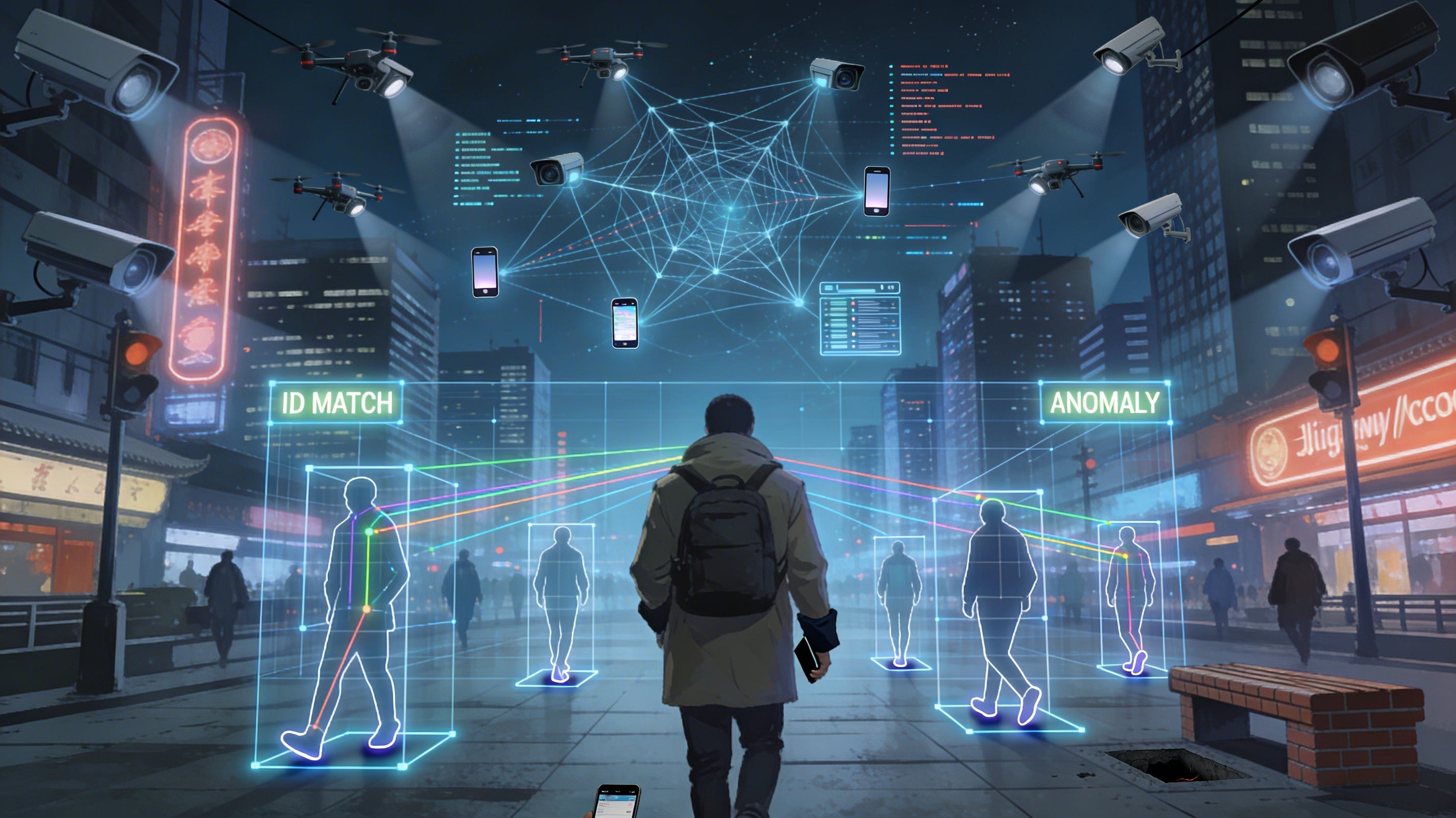
What is more worrying is the capacity of AI in combination with ubiquitous technical surveillance to enable absolute tyranny. The UK Intelligence Community leads the way: their job is to do things overseas which regimes want to stop. I had AI generate reports on Espionage Tradecraft in an AI-Saturated Surveillance World:
“Ubiquitous technical surveillance” has essentially shattered the two traditional pillars of espionage: cover (hiding one’s identity and intent) and clandestine tradecraft (hiding movements and communications).
MI6 and the CIA now operate overseas in environments saturated with AI‑driven surveillance, where millions of networked cameras, sensors and databases can identify people by face, gait, behaviour and digital traces in real time and retrospectively, shattering traditional cover and clandestine tradecraft. A single captured image or data point can be run through years of CCTV, travel records, hotel logs and phone metadata to reconstruct an intelligence officer or agent’s movements and contacts, while anomaly‑detection algorithms flag exactly the sort of behaviours spies rely on – burner phones, sparse social media, unusual routes – as suspicious outliers.
In countries like China and Russia, where camera networks, mandatory IDs and integrated data systems are especially advanced, local security services often no longer need physical surveillance teams at all to track foreign officers, making face‑to‑face meetings, recruiting agents and maintaining deniability vastly more risky than in the past.
Our spies are busted. They will have to adapt. Get the report here.
But what if your own government was doing this to you at home? And how likely is it?
